

Posts Filtered by Month - October 2025 |
Show Recent Posts
October 9, 2025
Lock 2 Work Trip
Barb Wiemann
Lock 2 Work Trip
Barb Wiemann
Fall Maintenance on Lock 2 on the D & L Trail
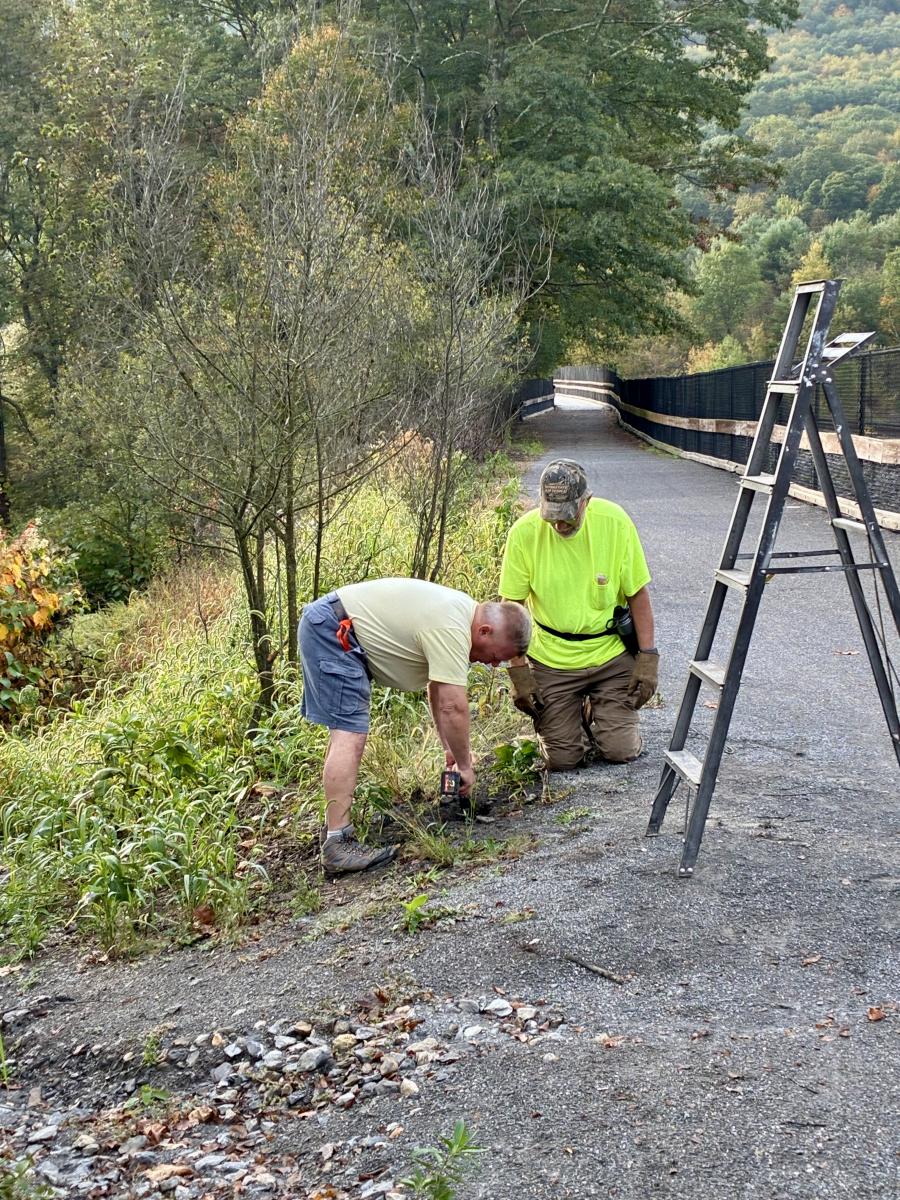
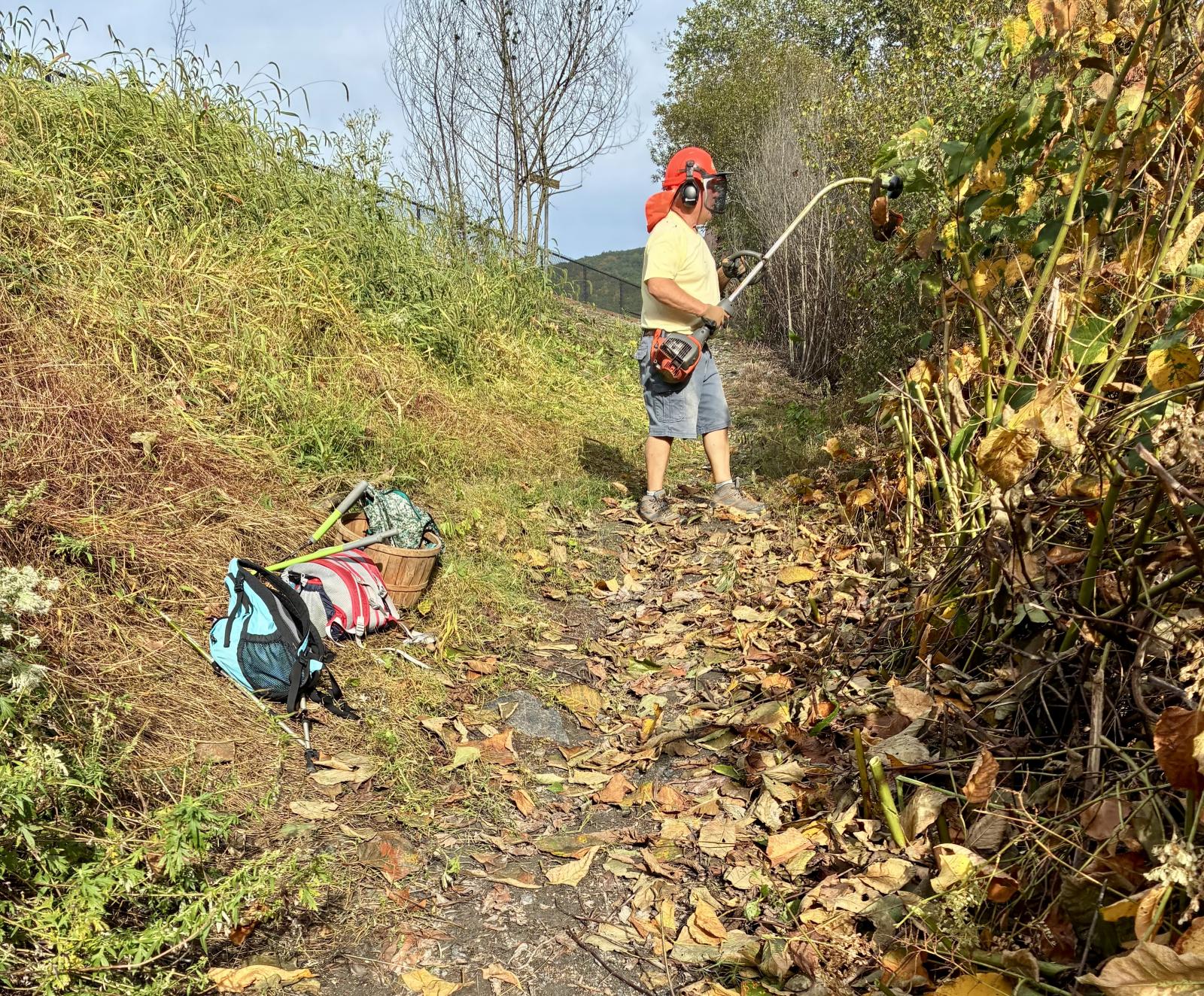
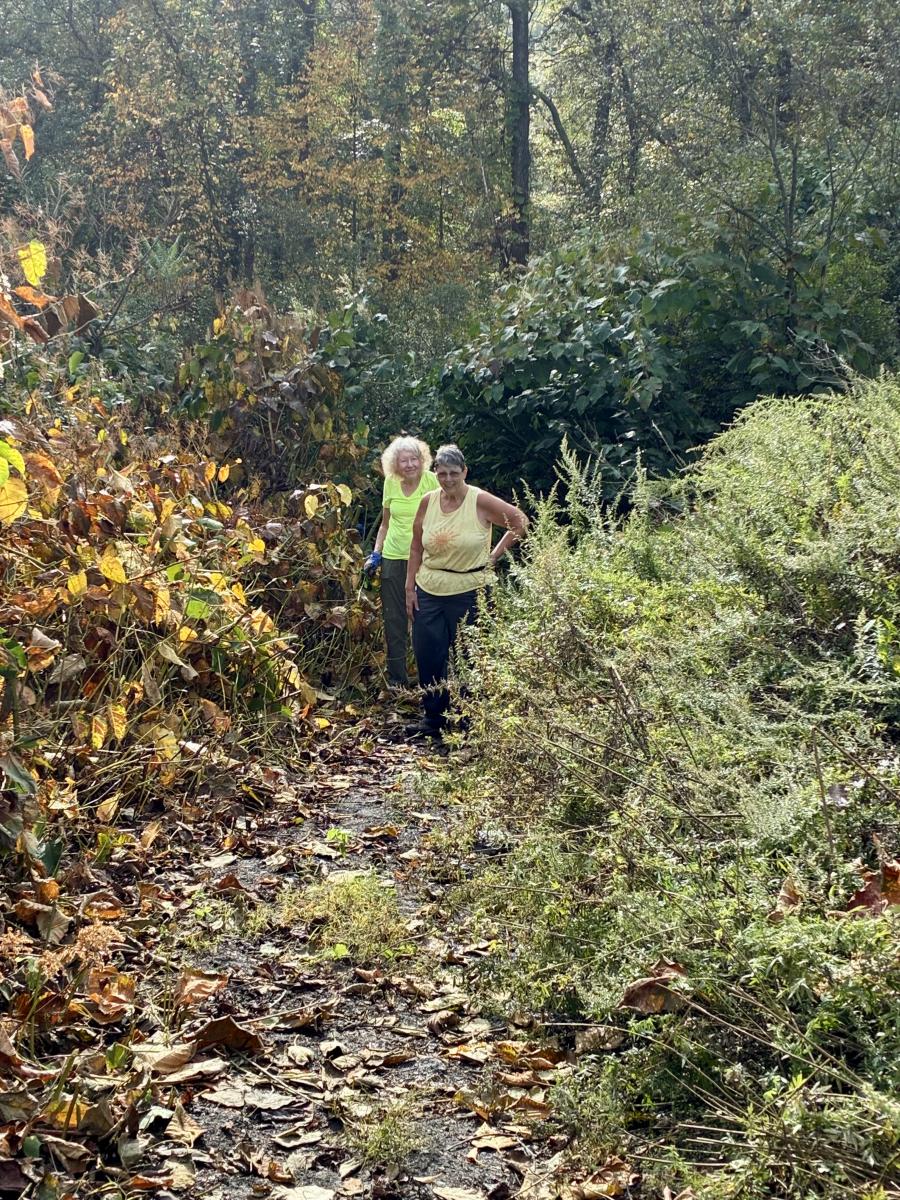
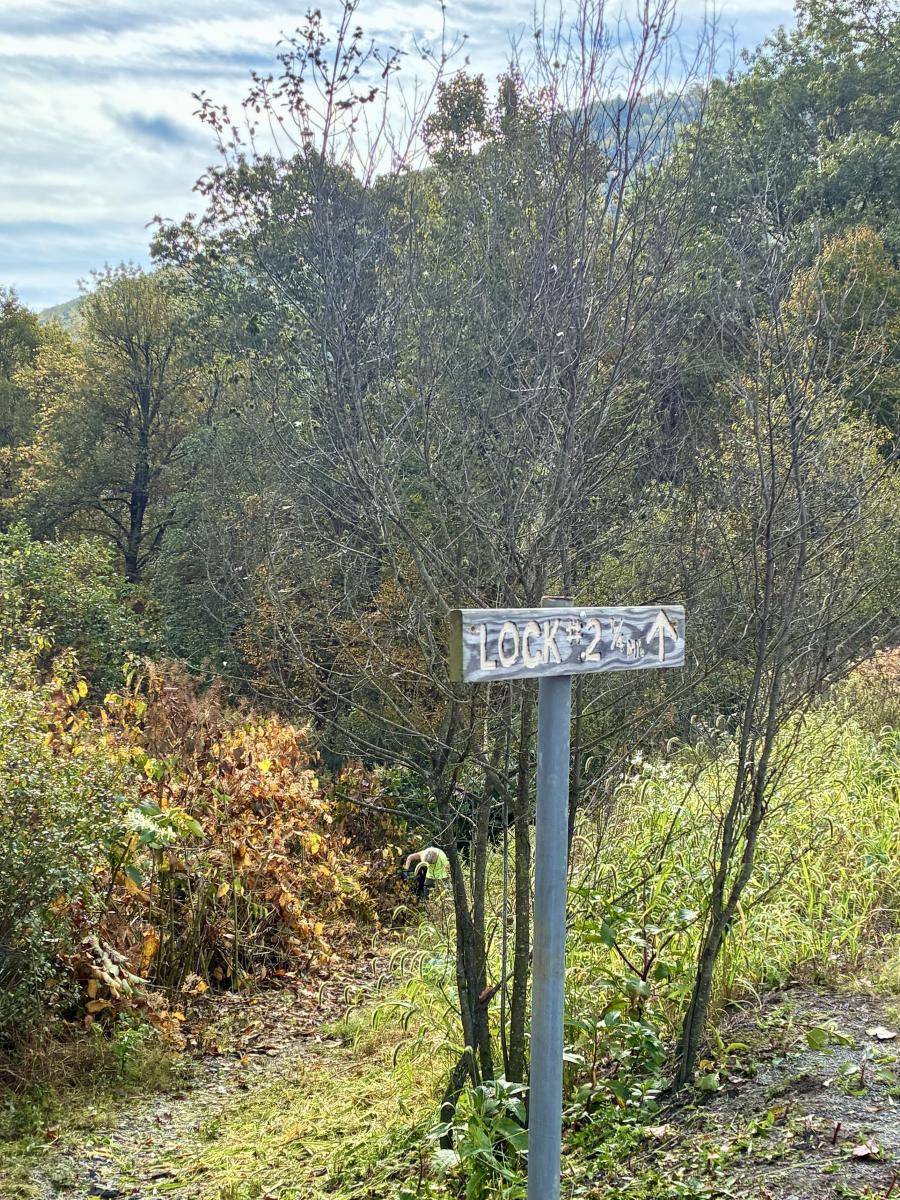
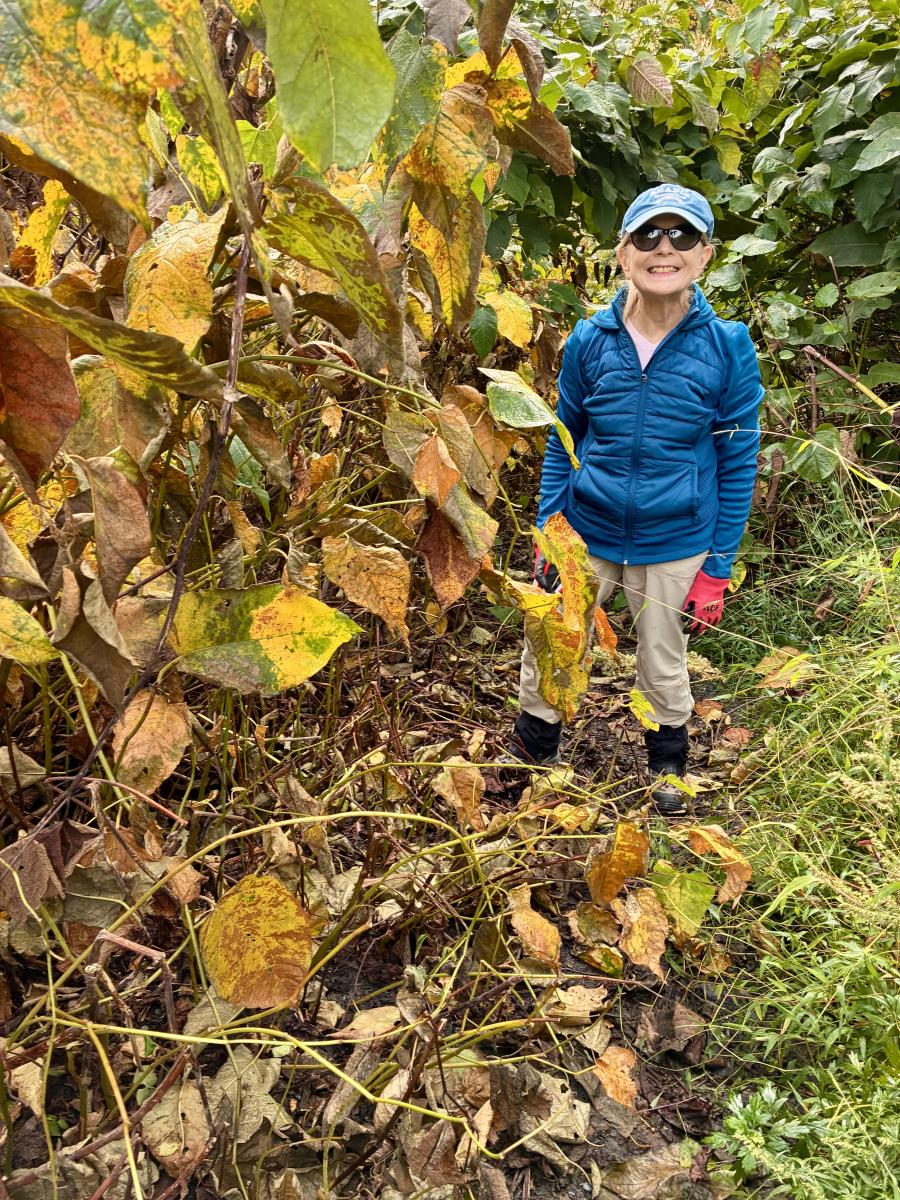
AHC volunteers installed a new sign at the access trail from the D&L Trail to Lock 2 in Lehigh Gorge State Park on September 27. The group also removed invasive knotweed from the access trail and cleared vegetation from the capstones on the river side of the lock. Thank you to Ed Ritter for supplying the sign post and to volunteers Ann Griffin, Sue Norling, Lucy Cantwell, Joyce Partington, Wayne Bruch and Ed.

October 9, 2025
Trail Magic
Trail Magic
Our Annual 2 day Trail Magic
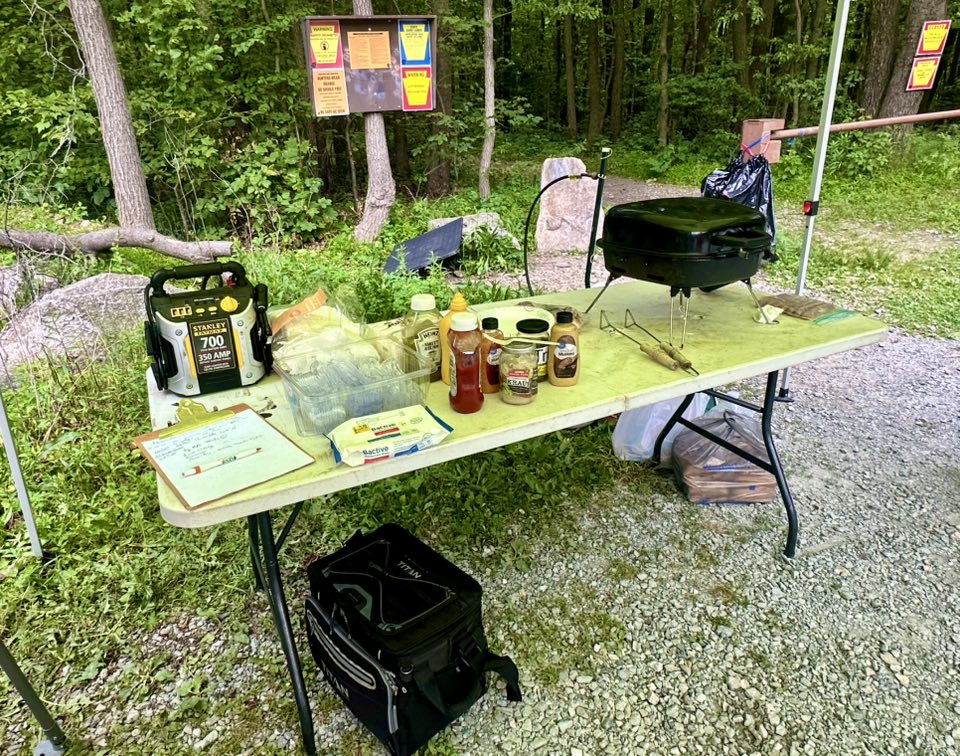
Some pictures from this year's Trail Magic
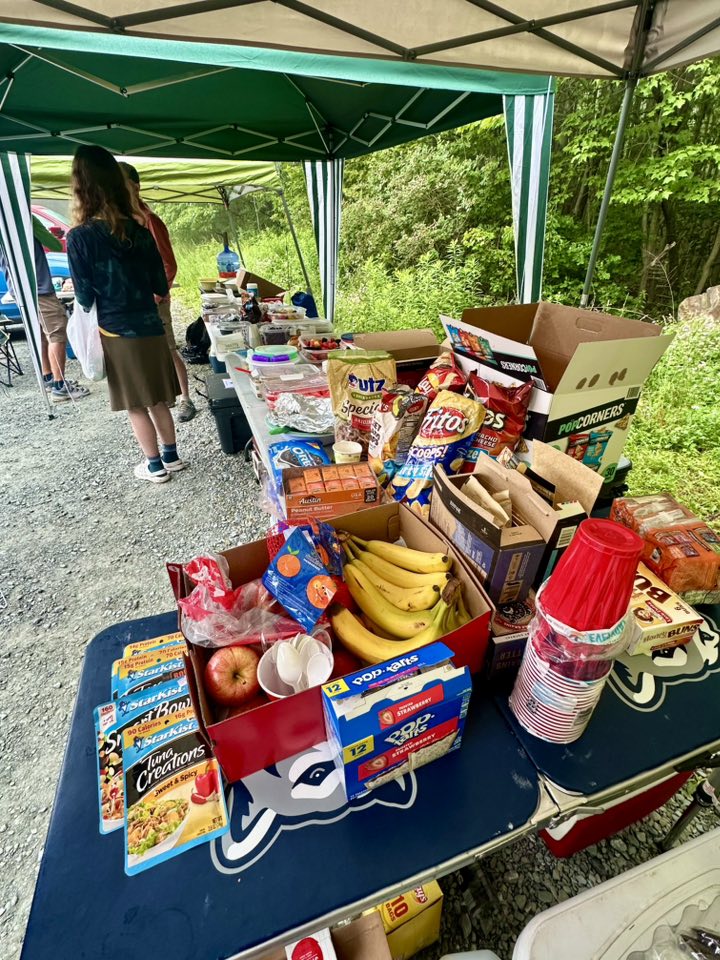
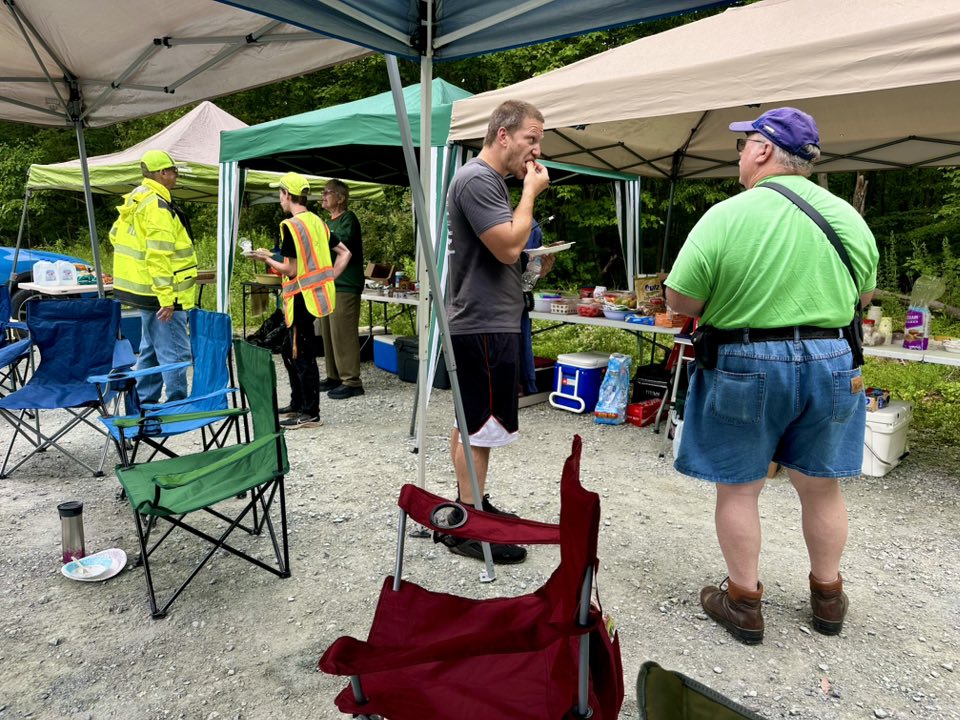
The selection of goodies
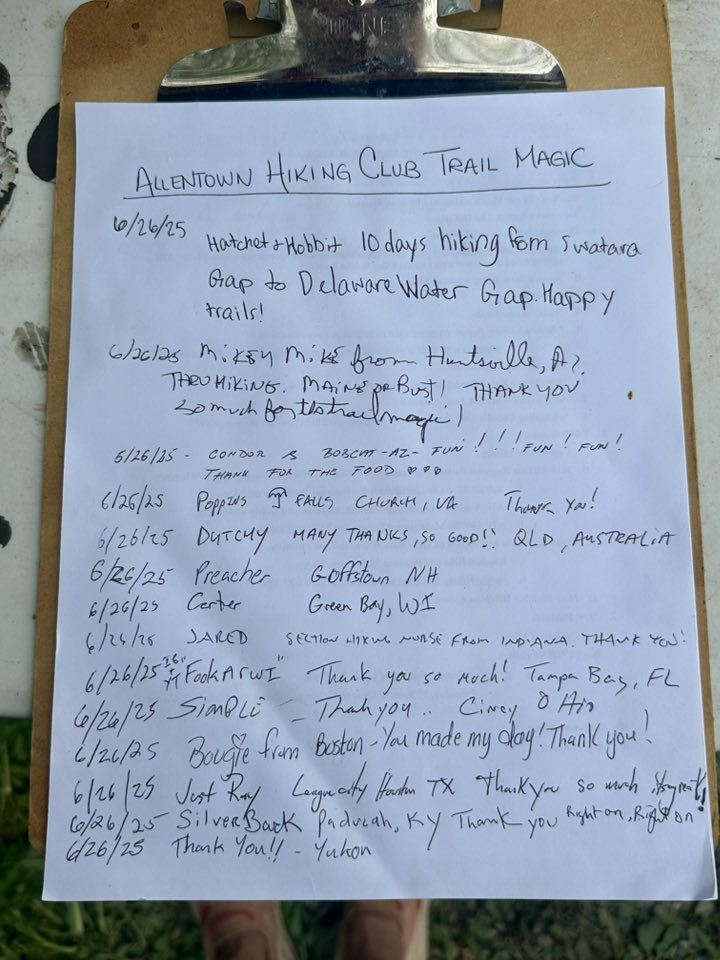
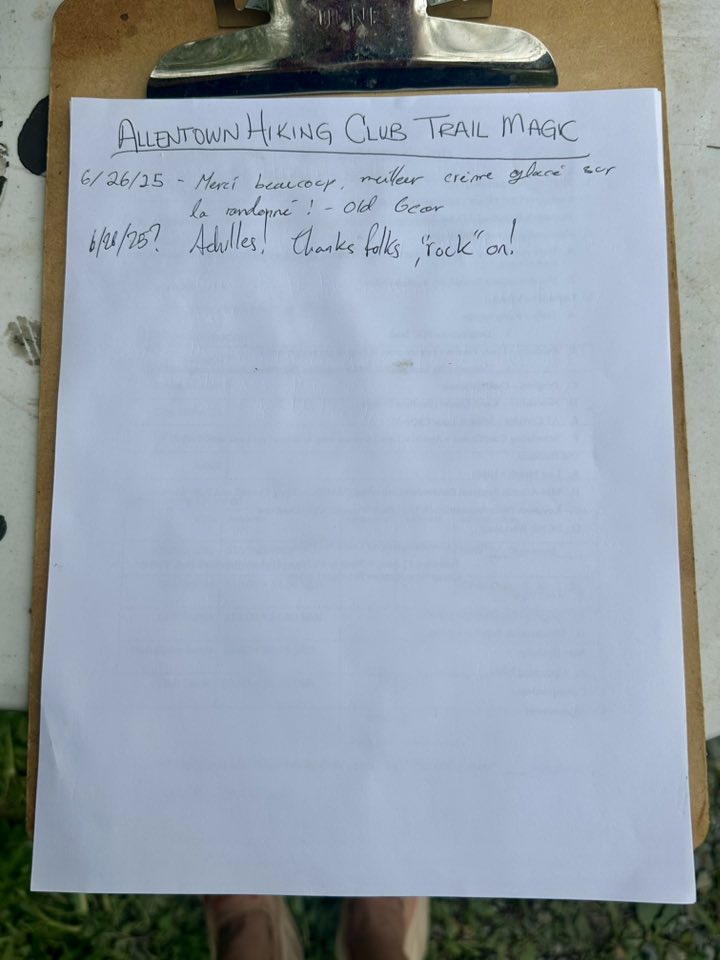
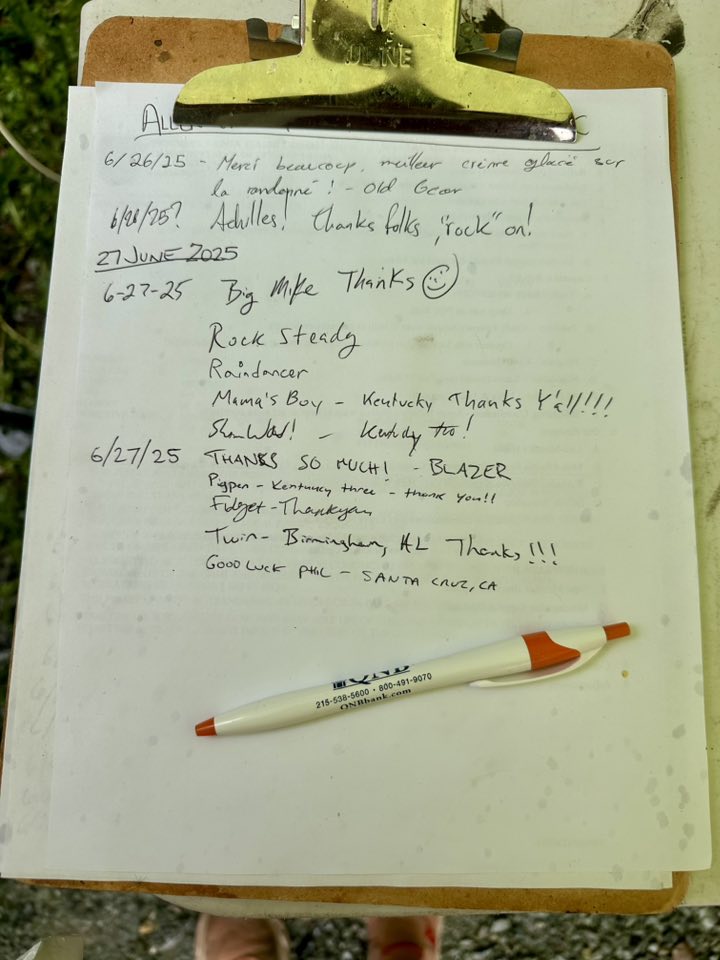
Sign in Sheets
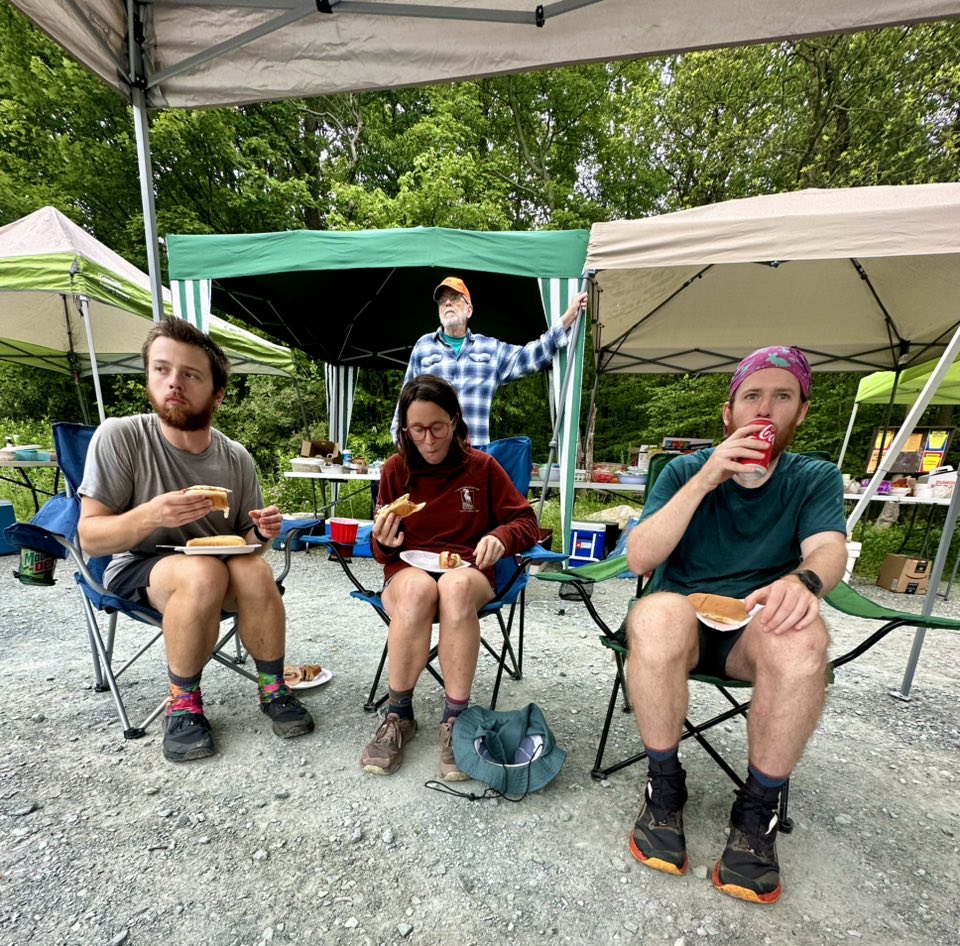
Enjoying the food and company
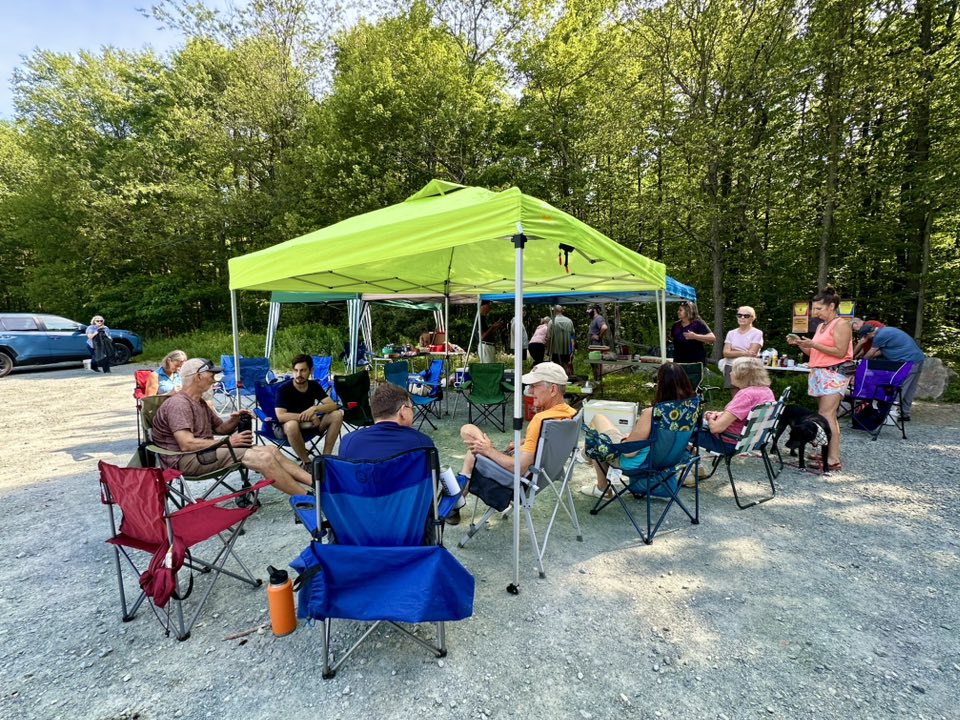
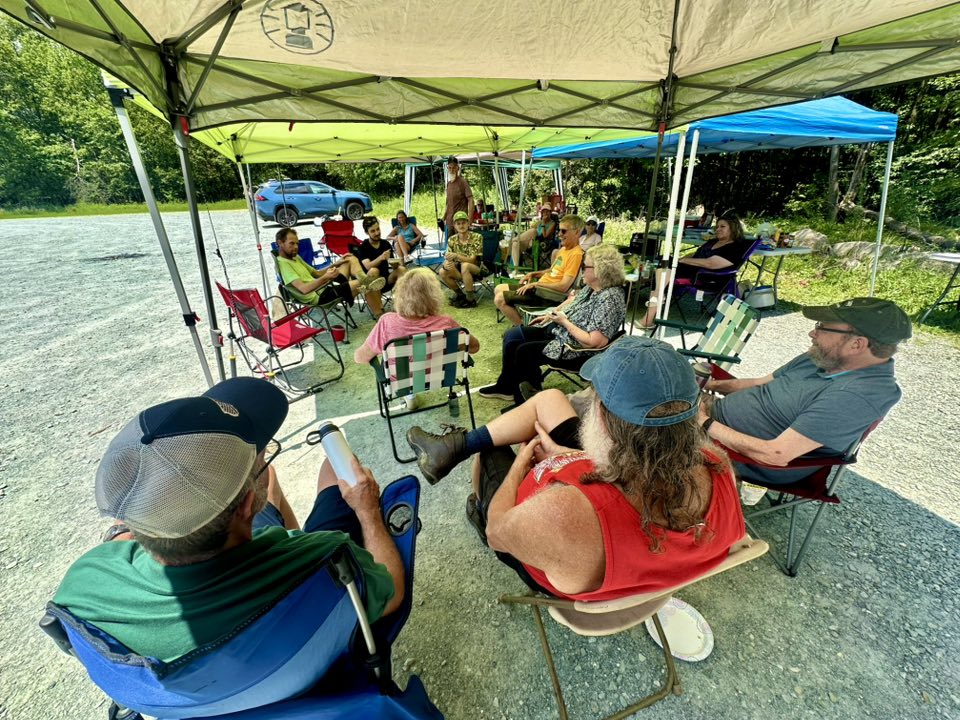
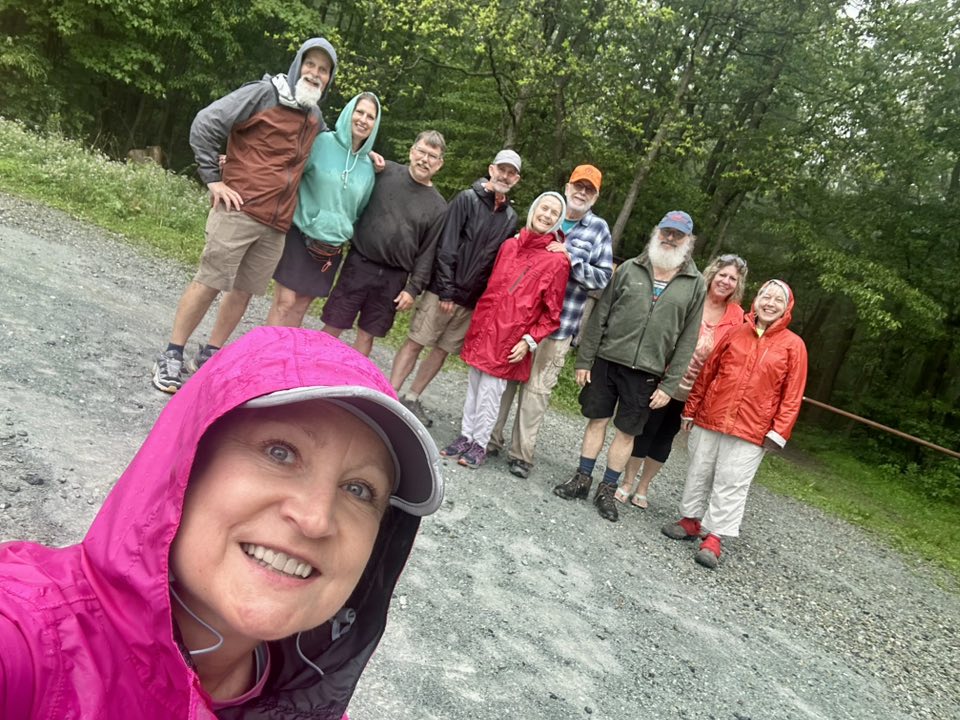
Trying to keep dry during a rain shower
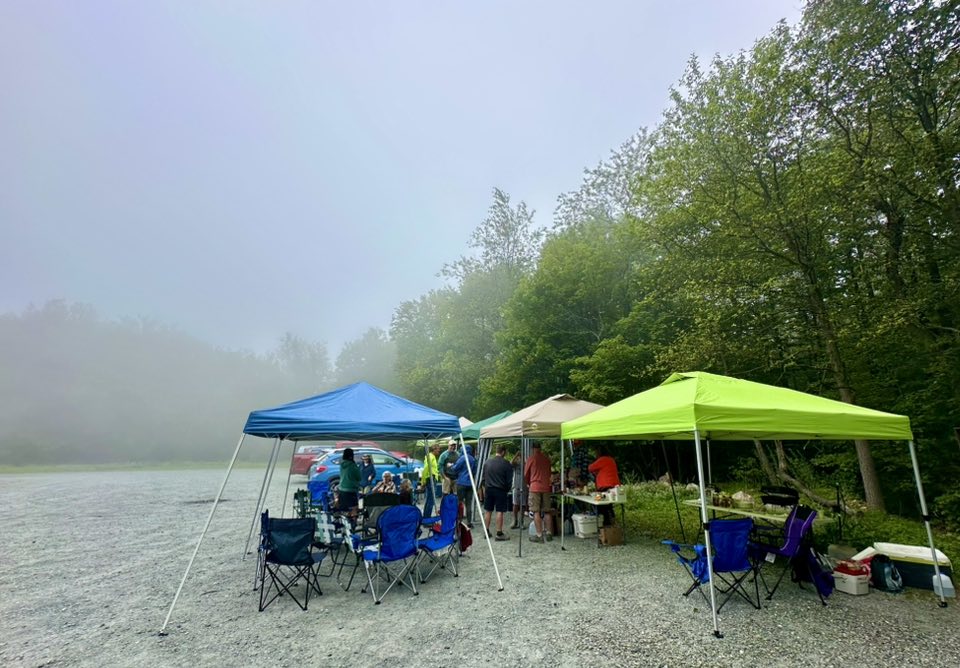
The Fire Rescue team was called to find some hikers who got lost in the fog at Bake Oven Knob
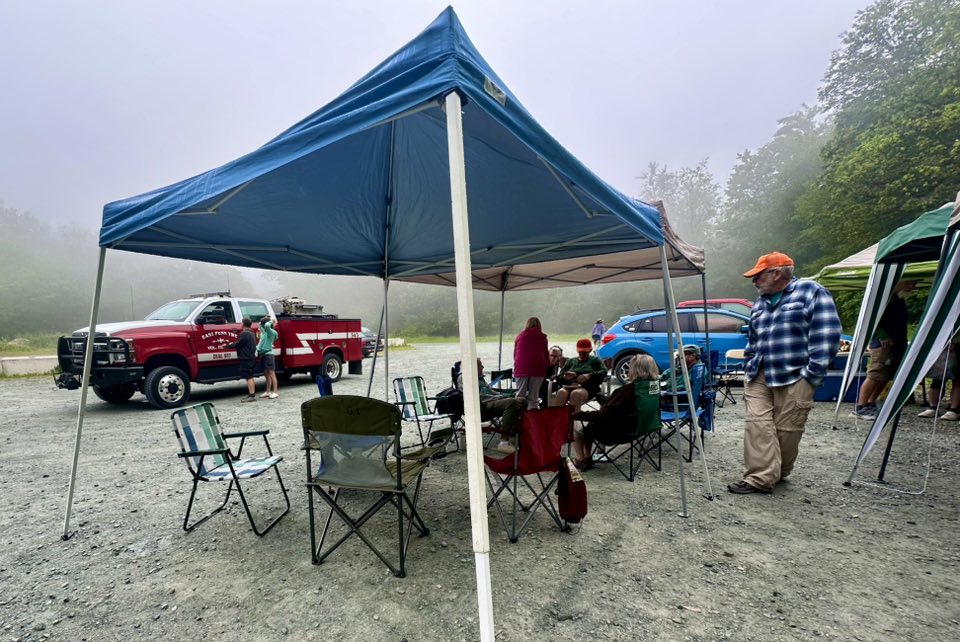
And then stayed to grab a bite for lunch
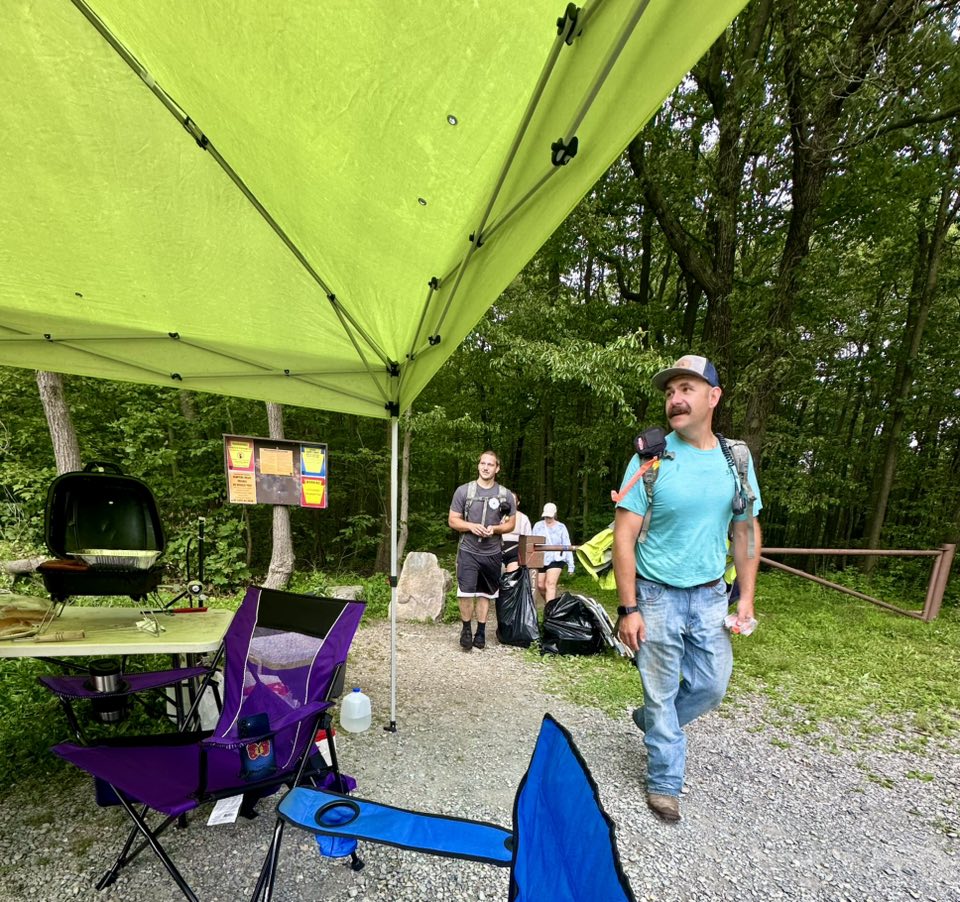
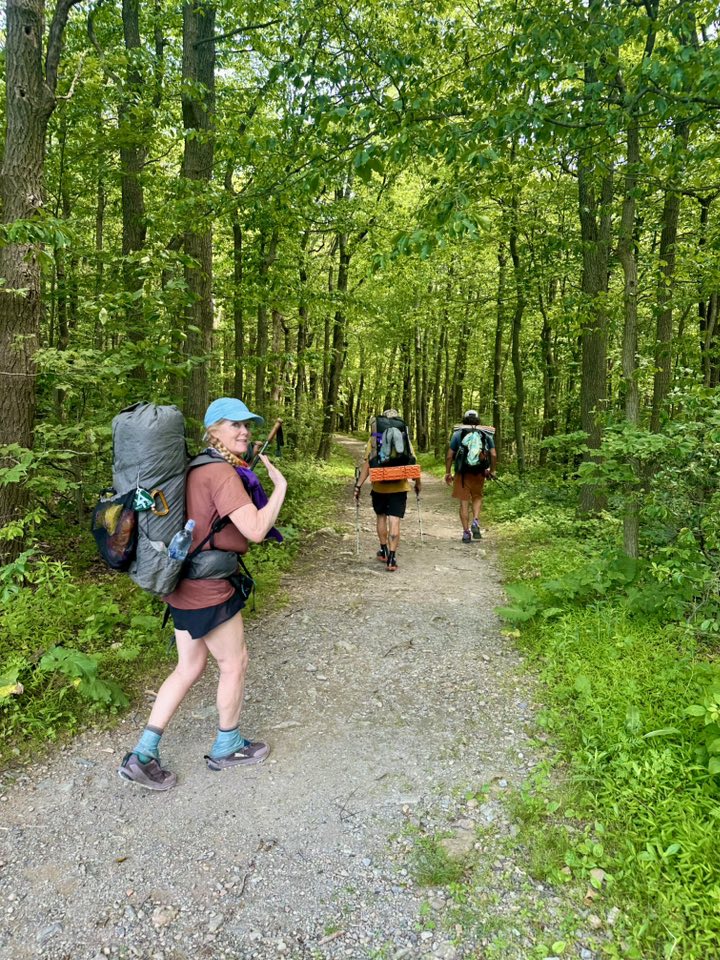
Heading back on the trail after filling their bellies
Some of the amazing club members who made this a success!
Keep June 25th and 26th, 2026 open for next year's Trail Magic
October 2, 2025
Volunteer Opportunities
Volunteer Opportunities
Looking for a way to get involved?
Club Secretary
Duties:
Record minutes during the Monthly Meetings and read the previous month's minutes.
Time: 2 to 3 hours
Compile and distribute minutes at the meetings.
Time: 1 hour
Corridor Monitor
Once a year, inspect the boundaries for a portion of the AT section that AHC maintains. More information can be found here: https://www.allentownhikingclu...
If interested, contact Lucy Cantwell at toeloopclassics@verizon.net
October 1, 2025
Hiking During the Fall Hunting Season
By Paula Uhrin
Hiking During the Fall Hunting Season
By Paula Uhrin
Fall 2025 President's Message
This topic has been discussed before, but as new legislation recently ended the ban on Sunday hunting it is worth revisiting to ensure the safety of those on trail.For the 2025-2026 season, Sunday hunting will be allowed through the end of the year as indicated below. Hunting in State Parks will be limited to three dates: November 16, 23, and 30. State Forests and State Game Lands will continue to allow hunting on all Sundays as approved by the Game Commission. Keep these dates in mind as you are planning your weekend hikes in Pennsylvania. Similarly, if you are planning on hiking in other states, educate yourself on the rules that apply there.
For those who plan on being on trail during these Sundays, blaze/fluorescent orange is required. Other high-visibility colors such as bright pink or chartreuse are acceptable, however earth tones such as brown, tan, or colors like red and blue should be avoided. The high-visibility color should be worn on the head, chest, and back combined for a minimum of 250 square inches so that it is visible from 360 degrees. A hat and vest will satisfy this requirement, though keep in mind that wearing a hiking pack will block some of that color, so perhaps consider draping a bright color over your pack or using a brightly colored pack/rain cover.

Some other things to keep in mind as the seasons change:
Fall
hikes often involve carrying more gear and heavier gear than in the
summer. You will usually need extra layers to prepare for a variety of
weather conditions and extra pairs of socks in case yours get wet. You
may need to carry a bigger pack to accommodate this additional gear.
Remember that days start getting significantly shorter throughout the Fall. If you only want to hike during the daylight, make sure you plan a hike that you can complete during daylight hours. But always carry a headlamp just in case your trek takes longer than expected.
Autumn brings falling leaves. These leaves will change the appearance of the trail as compared with a Summer hike. Pay close attention to the trail and your surroundings to ensure you stay on the right path. Also, be watchful of your footing. Fallen leaves easily cover rocks, roots, and water that could cause you to slip, trip, and fall.
Interactions with wildlife tend to happen more frequently in the Fall. This is mostly due to the animals being more active during this time in preparation for Winter months and possibly hibernation. It’s a good idea to educate yourself on what animals are in the area you will be hiking and prepare accordingly.
Staying hydrated is crucial even in colder months when you may not feel as thirsty. Your body needs water to keep you fueled and energized throughout the entire duration of the hike. Drink even when you’re not thirsty and encourage others to do the same.
Remember that days start getting significantly shorter throughout the Fall. If you only want to hike during the daylight, make sure you plan a hike that you can complete during daylight hours. But always carry a headlamp just in case your trek takes longer than expected.
Autumn brings falling leaves. These leaves will change the appearance of the trail as compared with a Summer hike. Pay close attention to the trail and your surroundings to ensure you stay on the right path. Also, be watchful of your footing. Fallen leaves easily cover rocks, roots, and water that could cause you to slip, trip, and fall.
Interactions with wildlife tend to happen more frequently in the Fall. This is mostly due to the animals being more active during this time in preparation for Winter months and possibly hibernation. It’s a good idea to educate yourself on what animals are in the area you will be hiking and prepare accordingly.
Staying hydrated is crucial even in colder months when you may not feel as thirsty. Your body needs water to keep you fueled and energized throughout the entire duration of the hike. Drink even when you’re not thirsty and encourage others to do the same.
Happy Trails and Stay Safe Out There!
Paula
October 1, 2025
Arctic Circle Trail
Steve Swann
Arctic Circle Trail
Steve Swann
Arctic Circle Trail
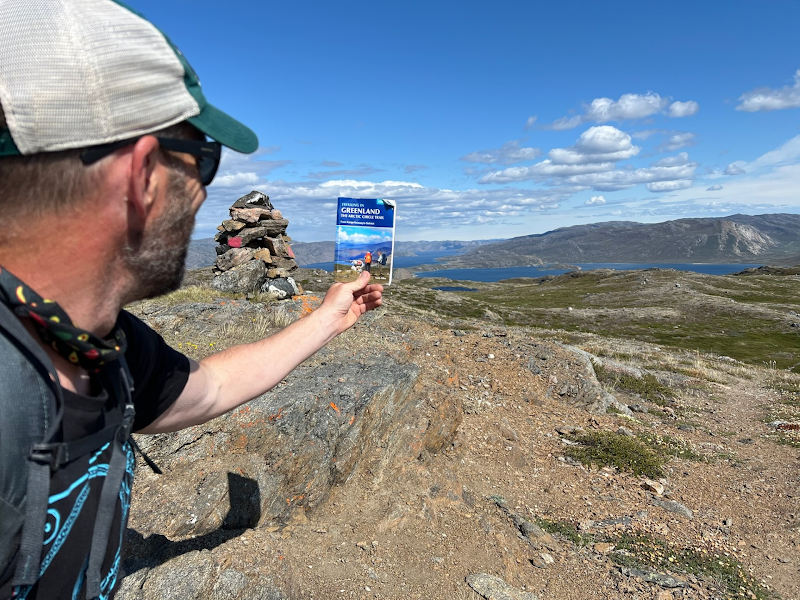
This
past winter, my friend Amy asked me if I wanted to do the Arctic Circle
Trail with her over the summer, and after minimal thought I told her,
yeah, why not? We are both teachers, so we had the ability to be away
for a couple of weeks during the summer months. Our plan was to fly out
on the summer solstice and be on the trail a couple of days later.
I
immediately started preparing by doing ruck hikes, and trimming some of
my winter weight by improving my diet and going to the gym
consistently. I also began accumulating gear for the hike by dumping
large amounts of my teacher salary at REI and on Amazon. We would have
to carry ten days worth of food in our packs so everything had to be
lightweight. Amy and I would text back and forth throughout the winter
months with links for all the different items that would have to fit in
our pack. My wife bought me all the food I would need for the trip, and I
spent an afternoon repackaging everything into plastic food storage
bags (to shrink the size and eliminate garbage that would need to be
carried on the trail) and making sure I had enough calories for each
day.
After
months of preparation, we were lucky to fly directly to Nook, Greenland
from Newark, New Jersey. This direct flight is new and is only four and
half hours long. Otherwise we would have to first fly to Copenhagen,
before connecting to a flight to Greenland. We left on June 24th. That
day there were heat advisory warnings in Pennsylvania and we were
carrying winter coats for our arrival. We arrived in Nook and stayed in
the capital city for one night before taking a shorter flight to the
inland city of Kangerlusuaq where the trail starts.
The
trail goes from Kangerlusuaq to the coastal city of Sisimiut through
remote mountains and valleys with no towns and no people living along
the route. The terrain is rugged with steep climbs and descents and long
slogs through boggy valleys, the tundra soaked with snow melt.
Sometimes stepping into mud that threatens to swallow your boot. The
bogs of the vast valleys we trekked through proved to be more demanding
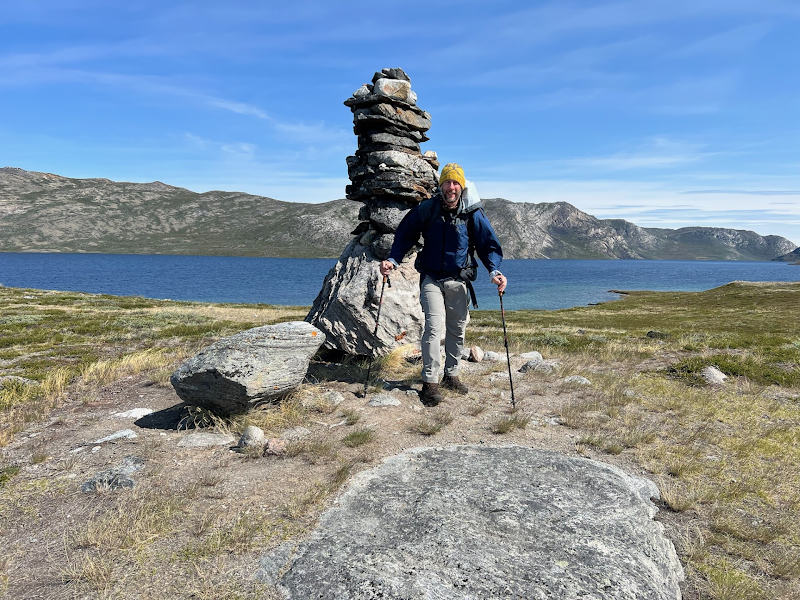
than the climbs. The trail is marked with cairns as there are no trees.
There is also no night, as we started right after summer solstice.
Cairns are just piles of rocks with red spray paint, built on high
ledges, to guide you. In many areas they are few and far-between making
navigation extremely difficult. The trail will disappear in boggy areas
and hikers must rely on paper maps or maps downloaded to cell phones.
Each
day we hiked around 10 to 12 miles for anywhere from eight to twelve
hours. The pace we were on was much slower than I was used to from
hiking back in the States. I came to expect to hike through exhaustion
that would set in in the afternoon. It's been said that when you think
you have given everything, you have only given about 40% of what you are
capable of. I learned that I was able to push through thoughts that I
could not take another step, by taking another step, and then another
one. As I accumulated days, I learned to focus on the day, knowing that
tomorrow would bring its own challenges, and yesterday was proof that I
was up to them. Staying present is not a new idea, but it became an
essential skill on the trail.
There
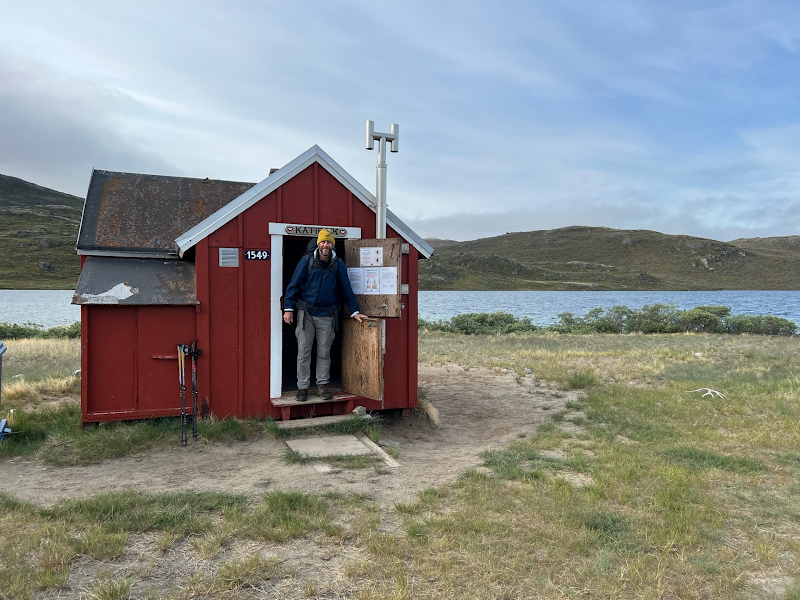
are huts along the way and we were lucky to get them on all but two
nights. They are first-come, first-serve and we were lucky to share in
most cases. We met other through-hikers on our third night on the trail,
so we were not totally isolated. The people we met along the trail came
from Denmark, Poland, and Germany as well as two native Greenlanders.
We were the only Americans. All of the people we met along the way were
amazing. There is a camaraderie that takes place out there as we were
all trying to meet the same challenge. There was a group of three that
we saw each day for almost a week and shared several huts with that we
called "The Danes," that I truly thought of as friends along the way.
They usually started an hour or two later than us and would pass us
along the way. They hiked without poles and it looked like they were
riding an escalator when we watched them climb mountains up ahead.
We
also met a hiker who introduced himself as Constantine from Romania.
Although I came to think of him as "Constantine the Super Hero.” He
started in Sisimiut and was hiking 40 kilometers per day because the
airline lost his luggage. He lost two days of hiking time and needed to
get to Kangerlusuag in five days to catch his return flight, where most
hikers took nine or ten to complete the trail. He was built like
Superman and seemed unfazed by his setback. When we were getting ready
to go to sleep at the end of a long day of hiking, he was going to take a
canoe to row 20 kilometers overnight to the next hut. While he was
telling us of his plan, I was trying to summon the energy to take off my
boots. He blew in and out of our lives in twenty minutes and told us we
were incredible for doing what we were doing, as opposed to boasting
about what he was about to do.
By
contrast, I am not built like a superhero, and Amy and I are a little
(maybe a lot) older than the other hikers we met along the way. I went
in knowing that this would probably be the toughest challenge I’ve ever
faced, and I was not wrong. The first couple of days were really tough.
And although I felt I had done everything I could to physically prepare,
I was still overwhelmed with how demanding the hike was going to be. I
was also aware that unlike the trails I hike closer to home, the remote
nature of the Arctic Circle Trail makes it more dangerous. If you get
hurt or lost, there is a risk of injury or even death. There were many
times that I knew if things went wrong, we would be "in trouble.”
But
we learned to push through exhaustion, climb mountains, navigate boggy
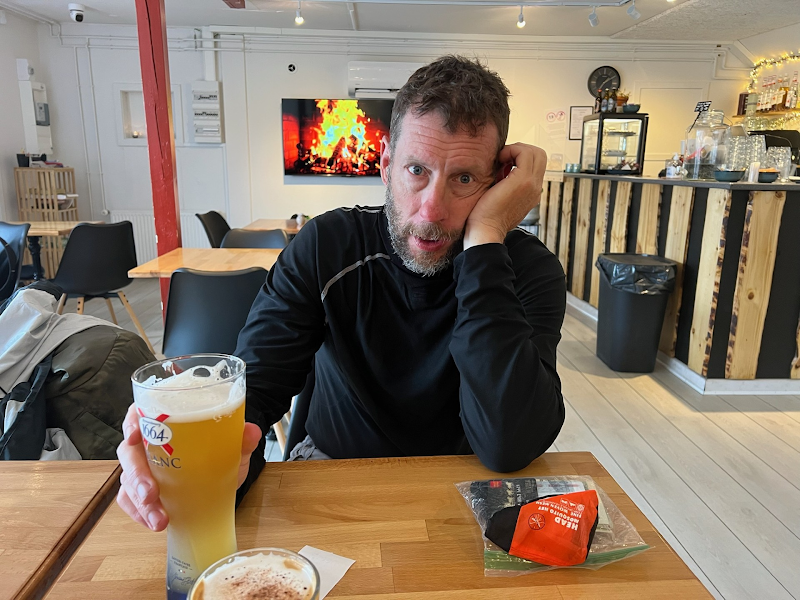
valleys, and ford rivers. After nine days we stumbled into the town of
Sisimiut and heard the howling of sled-dogs as we hiked our last miles
before finally stopping at Cafe Ulu to
complete our journey. Along the way, we saw caribou, reindeer, musk
oxen and an arctic hare. We took pictures that we knew would not capture
the beauty we were experiencing. And we helped each other along the
way. If “trail magic” is just the kindness of strangers, we got some of
that too.
I
went to Greenland for the challenge and it gave me all I could handle.
The hardest part was being out of touch with family, and worrying about
them worrying about me. I gained a new level of gratitude for things and
people I might otherwise take for granted. I am happy to be home, but I
find myself daydreaming about those days on the trail.
SEARCH NEWS ITEMS
POSTS BY TYPE
POSTS BY TAG
POSTS BY MONTH